


What Is Ironmongery And Why It Matters For Your Home
The difference between a well-designed home and one that merely looks expensive often reveals itself in motion rather than appearance. A door that closes with quiet assurance. A cabinet that opens without hesitation. A window handle that feels reassuringly solid in the hand. These are moments measured in seconds, yet they shape our impression of quality long before we notice the stone, the joinery, or the furniture.
For centuries, architects have understood that the hardware binding a building together deserves as much consideration as the materials surrounding it. Ironmongery was never simply about supplying hinges or locks; it was about creating a seamless relationship between craftsmanship, functionality, and everyday experience. When each component is selected with purpose, the home gains a sense of cohesion that cannot be achieved through finishes alone.
At CasaMilano, we see ironmongery as one of the quiet foundations of exceptional interiors. Long before a room is styled or furnished, these details determine how a space feels to live in, proving that true luxury is experienced through every interaction, not just every view.
What Is Ironmongery?
Ironmongery, in its simplest form, refers to the metal fittings and mechanisms that make a home functional, hinges, locks, latches, and door handles, alongside cabinet pulls, window stays, and letterplates. It's an old English term, born from the trade of ironmongers who once forged and sold metal goods for the household. Today, the word has evolved, but its essence remains: these are the pieces that hold a home together, quite literally.
In a residence, ironmongery covers everything your hand instinctively reaches for, every door, drawer, and window. It's easy to dismiss as purely practical, yet its origins tell a different story. Centuries ago, ironmongery was handcrafted, often bespoke, a mark of a home's status. That tradition of craftsmanship is exactly what CasaMilano brings back into focus today.
Types Of Ironmongery
Every home speaks through several categories of ironmongery, each with its own quiet vocabulary. Understanding these categories helps homeowners see beyond aesthetics into function, durability, and craftsmanship. At CasaMilano, we curate each category as intentionally as we would a piece of furniture, because hardware shapes how a space is truly experienced.
Door Hardware
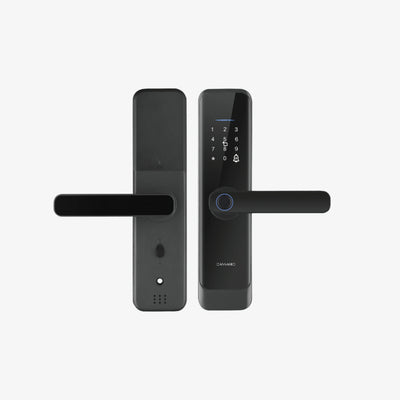
This category anchors the everyday rituals of a home, the sound of door locks turning, the resistance of door hinges as they swing, the grip of a handle. Together, these elements determine how secure, smooth, and considered a door feels in daily use, long after installation.
Cabinet Hardware
Knobs, pulls, and hinges on cabinetry and wardrobes may seem minor, yet they define how storage feels to use. A well-chosen cabinet handle invites interaction, while poorly matched hardware disrupts an otherwise seamless design, revealing itself in the smallest daily gesture.
Window Fittings
Latches, stays, and window hardware balance security with ease of movement. Often overlooked, these fittings determine how effortlessly a window opens, closes, and locks, a detail that becomes essential once Dubai's climate and light are factored into daily living.
Why Ironmongery Matters For Your Home
Good ironmongery is felt long before it's noticed, in a drawer that glides shut, a door that closes with a satisfying weight, a lock that turns without resistance. Beyond convenience, ironmongery locks form the first line of defence for any home, quietly working behind the scenes to secure what matters most. Choosing the right mechanisms isn't just about daily ease; it's an investment in peace of mind, engineered into every corner of the residence.
Beyond function, hardware finishes complete a room's visual story. A brushed brass handle whispers warmth; a matte black hinge speaks of modern restraint. This is where luxury ironmongery becomes an extension of interior design itself, not an accessory, but a deliberate choice that ties lighting, materials, and furniture into one cohesive language. At CasaMilano, every finish is selected to elevate the space it inhabits.
How To Choose The Right Ironmongery
Choosing the right door ironmongery is about finding the balance between functionality, durability, and design. Every fitting should complement your home's material palette while performing reliably for years to come. Looking beyond appearance and considering how each element is used daily helps create interiors that are both practical and visually cohesive.
-
Match finishes throughout the home – Repeating finishes across door handles, cabinet fittings, and window hardware creates visual continuity. Limiting your palette to two or three finishes prevents spaces from feeling disconnected.
-
Prioritise quality materials– Well-crafted ironmongery products in solid brass or stainless steel offer greater durability, resist wear, and retain their finish even in high-use areas.
-
Choose hardware that complements your interior style– Minimal spaces often suit clean-lined hardware, while classic interiors benefit from warmer finishes and more detailed profiles. The right luxury ironmongery should enhance the architecture rather than overpower it.
-
Consider door size and everyday use– Selecting the correct door hinges and fittings for the weight and size of each door ensures smoother operation, improved longevity, and fewer maintenance issues over time.
-
Think about comfort and accessibility – Good home hardware should feel comfortable for everyone to use. Lever handles, ergonomic designs, and quality mechanisms make everyday interactions easier while improving the overall user experience.
Conclusion
The right Ironmongery does far more than complete a home; it influences how every space functions, feels, and comes together visually. When chosen with intention, quality hardware creates seamless daily experiences while adding lasting value through durability, security, and cohesive design. These finishing details may be small, but they often leave the biggest impression in a thoughtfully designed interior.
At CasaMilano, we believe exceptional interiors are built through carefully considered details. From selecting the perfect finishes to recommending premium luxury ironmongery that complements your architectural vision, our team helps create homes where functionality and timeless design work hand in hand. Because when every element is chosen with purpose, the result is a space that feels complete in every sense.
Frequently Asked Questions
1. What is the difference between ironmongery and hardware?
Ironmongery refers specifically to the technical and decorative metal fittings attached to a building, like hinges and locks. Hardware is a much broader umbrella term encompassing general tools, plumbing components, raw building supplies, and everyday DIY materials.
2. Is ironmongery only about door handles and locks?
No, it spans a massive variety of structural and functional metal elements. Beyond doors, ironmongery includes window fasteners, cabinet knobs, drawer runners, coat hooks, gate latches, shelving brackets, and heavy timber connectors used throughout a property.
3. How do I choose ironmongery finishes for my home?
Align the metal finish with your interior design theme and environment. Choose sleek satin steel or matte black for modern spaces, and unlacquered brass for traditional homes. Ensure external items use corrosion-resistant, weather-tested materials.
4. Does ironmongery affect home security?
Absolutely. High-quality ironmongery serves as your property's primary physical defense line. Installing robust mortice locks, anti-snap cylinders, and multi-point window fasteners prevents forced entry, secures entry points, and keeps your family safe.
5. Can ironmongery be customized?
Yes, many specialized manufacturers offer bespoke ironmongery services. You can customize metal alloys, request unique geometric shapes, choose specialized living finishes that patina over time, or order custom-sized backplates to perfectly fit heritage restorations.
6. How often should ironmongery be replaced?
Premium, well-maintained ironmongery made from solid brass or stainless steel can easily last for decades. However, budget-grade components or high-traffic commercial fittings may need replacement every five to ten years due to internal mechanical wear.