


How To Create A Spa Bathroom In Your Home
You have fantasized about it. That serene Thai spa or India's Ayurvedic magic. The products exist now but the feeling does not travel. Until now. A well designed bathroom can deliver that escape. The right lighting, or the color palette, and fixtures transform an ordinary shower into a ritual. But here is the catch. Bringing it all together is overwhelming. Which accessories? What colors actually soothe? How do you make it cohesive?
That's where Casa Milano comes in. We have curated a collection of bathroom essentials and fixtures designed to make this effortless. Every piece works together so you get a space that's both calming and functional. No interior design degree required. Ready to build your spa at home? Our checklist guide walks you through every choice.
What Defines a Spa Like Bathroom
Not every well-decorated bathroom qualifies as a spa. A gorgeous vanity and matching towels are not enough. A true spa bathroom is built around intention, every material, light source, and scent chosen to shift how you feel the moment you walk in. If you're gathering spa bathroom ideas, start with what actually defines the space.
A standard bathroom is built for function, a shower that works, a sink that drains, a mirror that reflects. A spa bathroom keeps all of that, then layers in elements with no functional job at all. Most spa inspired bathroom designs share a handful of these: natural materials like stone and wood, warm and dimmable lighting, a water feature such as a rain shower or soaking tub, and a signature scent. Function gets you clean. The atmosphere gets you calm.
Calm does not happen by accident. It is engineered, through light, layout, and the order you encounter things in. That's also where spa and luxury get confused. A luxury bathroom is defined by cost, marble, gold fixtures, square footage. A spa bathroom is defined by feeling: build one on a modest budget and still walk away calmer than a bathroom worth ten times more.
Choosing Materials And Textures
Materials do more work than most people realize. The right surface can turn a bathroom from clean and neutral into genuinely calming. Spa bathroom ideas almost always start here, not with fixtures, but with what you touch and see first.
-
Natural Stone And Its Calming Effect
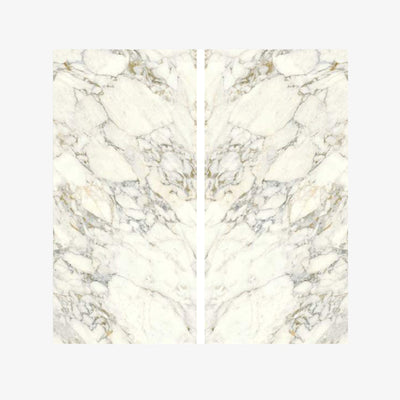
Marble-inspired, travertine, and pebble tile carry an inherent stillness that manufactured surfaces rarely match. Their veining and imperfections read as organic rather than manufactured. That subtle irregularity is part of what makes a space feel unforced.
-
Warm VS Cool Material Palettes
Warm tones like beige stone and honey wood create intimacy and softness. Cool tones like grey concrete and white marble create clarity and openness. Neither is more "spa" than the other. The right choice depends on the mood you're building.
-
Wood Accents In Wet Areas
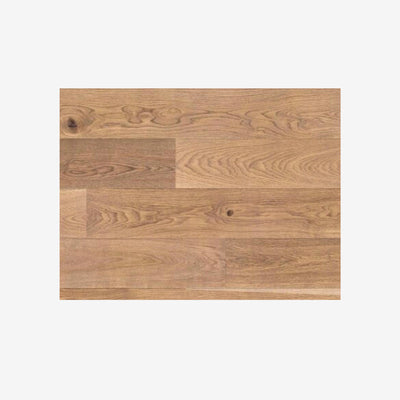
Wood introduces warmth few other materials can. Near water, that means sealed teak, thermally treated wood, WPC flooring, or wood-look porcelain, materials built to resist moisture without losing the visual softness wood brings to a space.
-
Texture Layering For Depth
A single texture, however beautiful, reads as flat. Pairing matte stone with a ribbed accent wall or a smooth countertop against a woven bath mat gives the eye somewhere to travel. Depth comes from contrast, not from more material.
-
Coordinating Materials Across Surfaces
Flooring, walls, and countertops don't need to match exactly, but they need to agree. A shared undertone, whether warm or cool, keeps five different materials from competing for attention and instead reading as one considered space, the kind of detail that separates a real at home spa bathroom from one that just looks the part.
Designing Lighting And Ambiance
Light shapes mood more than any other design choice. The same bathroom can feel clinical or serene depending entirely on how it's lit. Every spa inspired bathroom treats lighting as intentional layers, not a single switch on the wall.
-
Layered Lighting Basics
Ambient light fills the room evenly. Task light supports specific actions like shaving or applying makeup. Accent light adds mood and depth. A spa bathroom uses all three, adjusted independently rather than controlled by one fixture.
-
Dimmable And Warm-Toned Fixtures
Bright, cool-toned light keeps the body alert. Warm, dimmable light signals rest. Swapping harsh overheads for warm bulbs on a dimmer is one of the simplest ways to shift a bathroom's entire emotional register.
-
Natural Light And Privacy Balance
Daylight brings a softness no bulb replicates, but privacy still matters. Frosted glass, high transom windows, and sheer coverings let light in while keeping the space enclosed and personal, exactly what a dream spa bathroom needs to feel both open and private.
-
Candles And Low-Light Zones
Not every corner needs full illumination. A designated low-light zone, a candle ledge near the tub or a dimmed reading nook, gives the space somewhere to slow down entirely, away from brighter task areas.
-
Sound And Scent As Ambiance Tools
Lighting sets the visual mood, but sound and scent complete it. Soft ambient audio and a considered fragrance, whether candle, diffuser, or essential oil, engage senses that light alone can't reach.
Selecting Water Features And Fixtures
Water is the centerpiece of the experience, not a background detail. How it flows, how warm it feels, and how it sounds all shape whether a bathroom actually delivers a spa like atmosphere or simply looks like one in photos.
-
Soaking Tubs VS Standard Bathtubs
A standard bathtub is built for quick use. A soaking tub is deeper, often freestanding, and designed for lingering. The difference isn't just size, it's whether the tub invites you to stay.
-
Rain And Multi-Function Shower Systems
A rain showerhead replaces a direct spray with a gentle, overhead flow that mimics falling water. Multi-function systems add body jets and adjustable settings, turning a daily shower into something closer to a spa ritual.
-
Steam Showers And Their Requirements
Steam showers need a sealed enclosure, a dedicated generator, and proper ventilation to work safely. They're a bigger install than most fixtures on this list, but for many, they're the single feature that defines a luxury spa bathroom.
-
Water Pressure And Temperature Control
Thermostatic valves hold water at a consistent temperature regardless of what else is running in the house. That steadiness matters more than people expect. Nothing breaks relaxation faster than an unexpected temperature swing.
-
Fixture Finish And Its Effect On Mood
Matte black, brushed gold, and brushed nickel each carry a different feeling, from moody and modern to warm and traditional. The finish on a tap or showerhead is a small detail that quietly shapes the whole room's tone.
Bringing The Spa Bathroom Together
Every element covered so far, materials, lighting, water, only works as a spa experience when it comes together as one cohesive space. This final stretch is about unifying those choices so nothing feels like an afterthought.
|
Element |
Why It Matters |
How to Execute The Idea |
|
Decluttering For A Minimalist Feel |
Visual clutter is the fastest way to break a calm mood, no matter how good the materials are. |
Keep counters nearly empty. Store daily items, display only what feels intentional. |
|
Storage That Stays Out Of Sight |
Concealed storage keeps the room looking curated rather than functional. |
Use recessed niches, closed cabinetry, and drawer organizers instead of open shelving. |
|
Choosing A Consistent Color Palette |
A unified palette is often the single biggest factor separating a calm bathroom from a busy one. |
Stick to two to three tones. Muted, neutral spa like bathroom colors read as calmer than high-contrast schemes. |
|
Adding Greenery And Natural Elements |
Organic touches soften hard surfaces and reinforce the sense of an outdoor retreat indoors. |
Choose humidity-tolerant plants like ferns or eucalyptus, placed near natural light. |
|
Planning The Layout Before Renovation |
Spa elements are hard to retrofit. Steam, drainage, and lighting need to be planned early. |
Decide on fixtures, spa like bathroom tiles, and layout together before construction starts, not after. |
Conclusion
Turning an ordinary bathroom into a spa isn't about one dramatic upgrade. It's the layering of small, deliberate choices, calming materials, warm light, water that flows the right way, that adds up to a completely different feeling every time you walk in. These spa bathroom ideas work because they're considered together, not chosen in isolation.
You don't need an interior design background to get there. What you need is the right pieces, working in harmony from the start. That's exactly what Casa Milano was built to make effortless, helping you turn the space you already have into the dream spa bathroom you've been picturing.
Frequently Asked Questions
-
What makes a bathroom feel like a spa?
A spa bathroom combines sensory elements, lighting, materials, water, and scent, with function. It's an engineered atmosphere, not just good decor.
-
Do I need a steam shower for a spa bathroom?
No. A steam shower enhances the experience but isn't required. Lighting, materials, and layout can create a spa feel on their own.
-
What colors work best for a spa-style bathroom?
Muted, neutral tones work best. Soft whites, warm beiges, and earthy greens support a calm, uncluttered mood.
-
Can a small bathroom still feel like a spa?
Yes. Spa design is about intention, not square footage. Smart lighting and decluttering matter more than size.
-
Is natural stone necessary for a spa look?
Not necessary, but helpful. Stone-look porcelain or textured tile can achieve a similar organic, calming effect at a lower cost.
-
How much does a spa bathroom renovation typically involve?
It depends on scope. Cosmetic updates like lighting and decor are quick. Adding steam or reworking layout requires more planning.