
-


 Продавец:Glass DesignОбычная цена AED 3,192Цена со скидкой AED 3,192Цена за единицу за

-

 Продавец:Glass DesignОбычная цена From AED 3,192 to AED 3,390Цена со скидкой From AED 3,192 to AED 3,390Цена за единицу за
-

 Продавец:Glass DesignОбычная цена From AED 2,178 to AED 2,376Цена со скидкой From AED 2,178 to AED 2,376Цена за единицу за
-

 Продавец:Glass DesignОбычная цена From AED 2,238 to AED 2,508Цена со скидкой From AED 2,238 to AED 2,508Цена за единицу за
-

 Продавец:Glass DesignОбычная цена AED 1,848Цена со скидкой AED 1,848Цена за единицу за
-

 Продавец:Glass DesignОбычная цена AED 1,950Цена со скидкой AED 1,950Цена за единицу за
-

 Продавец:Glass DesignОбычная цена From AED 2,034 to AED 2,268Цена со скидкой From AED 2,034 to AED 2,268Цена за единицу за
-

 Продавец:Glass DesignОбычная цена From AED 2,496 to AED 3,156Цена со скидкой From AED 2,496 to AED 3,156Цена за единицу за
-

 New ArrivalПродавец:CASSARIOОбычная цена AED 213Цена со скидкой AED 213Цена за единицу за
-
 Продавец:CASSARIOОбычная цена AED 213Цена со скидкой AED 213Цена за единицу за
-

 Продавец:CASSARIOОбычная цена From AED 468 to AED 827Цена со скидкой From AED 468 to AED 827Цена за единицу за
-

 Продавец:CASSARIOОбычная цена From AED 402 to AED 449Цена со скидкой From AED 402 to AED 449Цена за единицу за
-

 Продавец:CASSARIOОбычная цена From AED 213 to AED 827Цена со скидкой From AED 213 to AED 827Цена за единицу за
-

 Продавец:CASSARIOОбычная цена From AED 416 to AED 449Цена со скидкой From AED 416 to AED 449Цена за единицу за
-

 Продавец:CASSARIOОбычная цена From AED 408 to AED 449Цена со скидкой From AED 408 to AED 449Цена за единицу за
-

 Top SellerПродавец:CASSARIOОбычная цена AED 213Цена со скидкой AED 213Цена за единицу за
-

 Продавец:CASSARIOОбычная цена AED 1,181Цена со скидкой AED 1,181Цена за единицу за
-

 Продавец:CASSARIOОбычная цена AED 1,181Цена со скидкой AED 1,181Цена за единицу за
-

 Продавец:CASSARIOОбычная цена AED 1,181Цена со скидкой AED 1,181Цена за единицу за
-

 Top SellerПродавец:CASSARIOОбычная цена From AED 260 to AED 284Цена со скидкой From AED 260 to AED 284Цена за единицу за
-

 Продавец:CASSARIOОбычная цена From AED 402 to AED 449Цена со скидкой From AED 402 to AED 449Цена за единицу за
-

 Продавец:CASSARIOОбычная цена AED 1,181Цена со скидкой AED 1,181Цена за единицу за
-

 Designer ChoiceПродавец:CASSARIOОбычная цена AED 284Цена со скидкой AED 284Цена за единицу за
-

 Продавец:CASSARIOОбычная цена AED 1,418Цена со скидкой AED 1,418Цена за единицу за
-

 Продавец:CASSARIOОбычная цена AED 1,418Цена со скидкой AED 1,418Цена за единицу за
-

 Продавец:CASSARIOОбычная цена AED 393Цена со скидкой AED 393Цена за единицу за
-

 Продавец:CASSARIOОбычная цена From AED 839 to AED 922Цена со скидкой From AED 839 to AED 922Цена за единицу за
-

 Продавец:CASSARIOОбычная цена AED 1,181Цена со скидкой AED 1,181Цена за единицу за
-

 Best SellerПродавец:CASSARIOОбычная цена AED 284Цена со скидкой AED 284Цена за единицу за
-

 Top SellerПродавец:CASSARIOОбычная цена AED 260Цена со скидкой AED 260Цена за единицу за
-

 Продавец:CASSARIOОбычная цена AED 260Цена со скидкой AED 260Цена за единицу за
-

 Продавец:CASSARIOОбычная цена From AED 142 to AED 236Цена со скидкой From AED 142 to AED 236Цена за единицу за
-

 Продавец:CASSARIOОбычная цена From AED 405 to AED 1,418Цена со скидкой From AED 405 to AED 1,418Цена за единицу за
-

 New ArrivalПродавец:CASSARIOОбычная цена AED 308Цена со скидкой AED 308Цена за единицу за
-

 Продавец:CASSARIOОбычная цена AED 95Цена со скидкой AED 95Цена за единицу за
-

 Продавец:CASSARIOОбычная цена AED 236Цена со скидкой AED 236Цена за единицу за
-

 Продавец:CASSARIOОбычная цена From AED 405 to AED 945Цена со скидкой From AED 405 to AED 945Цена за единицу за
-

 Designer ChoiceПродавец:CASSARIOОбычная цена From AED 189 to AED 236Цена со скидкой From AED 189 to AED 236Цена за единицу за
-

 Продавец:CASSARIOОбычная цена AED 284Цена со скидкой AED 284Цена за единицу за
-

 Продавец:CASSARIOОбычная цена AED 236Цена со скидкой AED 236Цена за единицу за
-

 Продавец:CASSARIOОбычная цена From AED 372 to AED 945Цена со скидкой From AED 372 to AED 945Цена за единицу за
-

 Продавец:CASSARIOОбычная цена From AED 383 to AED 1,418Цена со скидкой From AED 383 to AED 1,418Цена за единицу за
-

 Продавец:CASSARIOОбычная цена AED 189Цена со скидкой AED 189Цена за единицу за
-

 Продавец:CASSARIOОбычная цена AED 236Цена со скидкой AED 236Цена за единицу за
-

 Продавец:CASSARIOОбычная цена AED 213Цена со скидкой AED 213Цена за единицу за
-

 Продавец:CASSARIOОбычная цена AED 119Цена со скидкой AED 119Цена за единицу за
-

 Продавец:CASSARIOОбычная цена AED 260Цена со скидкой AED 260Цена за единицу за
-

 Продавец:CASSARIOОбычная цена AED 166Цена со скидкой AED 166Цена за единицу за
-

 Продавец:CASSARIOОбычная цена AED 260Цена со скидкой AED 260Цена за единицу за
-

 Продавец:CASSARIOОбычная цена AED 236Цена со скидкой AED 236Цена за единицу за


What is the first thing you touch before you ever step into a room?
Before the furniture, the lighting, the flooring or the view beyond the doorway, there is the handle. Your hand finds it almost instinctively, you turn it, the latch releases, and the room opens. It is such a familiar movement that we rarely think about the object making it happen.
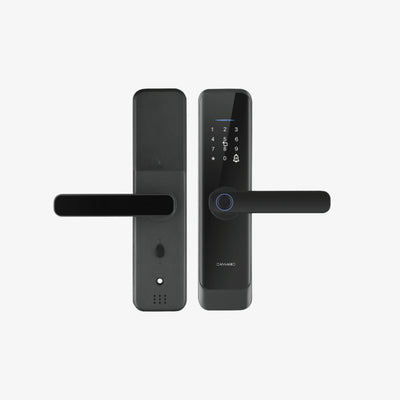
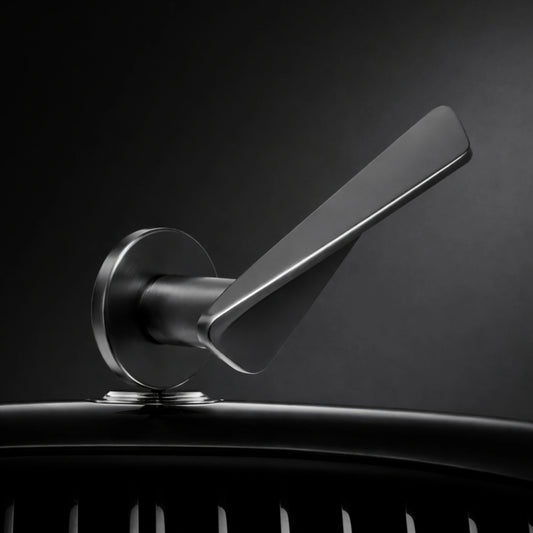
Yet that small interaction is part of the character of a space. A slender lever can feel almost architectural in its restraint, while a more substantial handle can give a door presence of its own. The finish can echo the room's metalwork, contrast against the timber or disappear into the door altogether. At Casa Milano, our collection of lever handles treats this everyday point of contact as a detail worth designing properly.
About Casa Milano
Casa Milano brings together architectural materials, Italian design sensibility and international brands for interiors where the smaller details matter just as much as the larger surfaces. Within our ironmongery collection, door hardware becomes part of the architectural language of a project rather than something selected only after the doors have been specified.
This is particularly important with door handles, because they are repeated throughout a space. A handle that looks right on one door becomes part of the visual rhythm when used across bedrooms, living areas, offices, wardrobes and other openings. Casa Milano's collection allows these touchpoints to be considered alongside the doors, finishes and wider interior palette.
About Our Lever Handle Collection
Contemporary Lever Handles
Clean geometry and controlled proportions work naturally with modern doors, allowing the handle to contribute a refined detail without overwhelming the surface it sits upon.
Statement Lever Handles
Some doors call for more than a quiet finishing touch. Sculptural silhouettes, distinctive detailing or a stronger material presence can turn the handle into a deliberate feature.
Classic-Inspired Designs
More traditional forms bring a sense of familiarity to interiors where panelled doors, richer materials or established architectural styles call for hardware with character.
Coordinated Door Hardware
A handle rarely works alone. Locks, escutcheons and other hardware need to make visual and functional sense together, creating a door assembly that feels considered from every angle.
Why Choose Lever Handles?
The appeal of a lever handle is partly mechanical and partly human. The movement is intuitive. Unlike a knob that requires a tighter grip and turning motion, a lever can be operated with a simple downward movement, making it a natural choice for frequently used doors.
But the real design opportunity lies in repetition. One handle might be a detail. Ten, twenty or fifty handles become a language. When the same proportions and finishes travel through a residence, hotel, office or commercial project, they create continuity that can be felt without necessarily being noticed.
That is why selecting a door handle set is about more than choosing something attractive. The handle needs to suit the door thickness and construction, work with the required locking mechanism and feel appropriate to how the space will be used. A beautiful handle that does not belong to the door is still the wrong handle.
Why Choose Lever Handles at Casa Milano?
Casa Milano approaches ironmongery from the perspective of the complete door. The question is not simply which handle looks good, but what happens when that handle meets the door, the lock, the surrounding wall and the interior style. Proportion becomes important, as does the way the finish behaves alongside other metal details throughout the project.
The collection also makes room for very different design directions. A restrained handle can let an expressive timber door remain the focus, while a distinctive lever handle set can give a quieter door a stronger identity. For projects where door handles and locks need to feel coordinated rather than assembled from unrelated pieces, selecting the hardware as one considered system can make a noticeable difference.
Conclusion
Good ironmongery has an unusual quality: you experience it through your hands before you consciously register it with your eyes. You notice its weight, the movement of the lever and the smoothness of the mechanism, even when you never stop to analyse why the interaction feels right.
That is what makes a door handle such an important architectural detail. It is small, repeated and constantly used, yet capable of influencing how a door feels and how an entire interior reads. Casa Milano's collection brings together different forms, finishes and design languages so that this everyday point of contact can be chosen with the same consideration as the door itself.
FAQs
1. How do I know if a lever handle will fit my existing door?
Check the door thickness, spindle size, fixing points and lock or latch configuration before choosing a handle. The rose and backplate dimensions should also work with the existing door hardware.
2. Are brass lever handles suitable for high-use doors?
Brass is commonly used for architectural door hardware because it provides a strong base for components that are handled frequently. Long-term performance also depends on the construction, finish and quality of the internal mechanism.
3. Can the finish of a lever handle wear off with frequent use?
Any decorative finish can gradually show signs of wear with repeated handling, particularly on high-touch areas. Choosing a quality finish and cleaning the handle with suitable, non-abrasive products can help preserve its appearance.
4. Do lever handles work with both interior and exterior doors?
They can be used across different door applications, but the handle, lockset and finish need to be suitable for the environment. Exterior or high-exposure doors may require hardware with appropriate resistance to moisture and environmental conditions.
5. How do I choose between a round and square rose lever handle?
The choice is mainly about the door's overall design and the hardware you want to coordinate with it. The rose shape also needs to be compatible with the selected lock, latch and door preparation.
6. Can I replace an old door handle without replacing the entire lock?
Sometimes. If the new lever handle is compatible with the existing lock or latch, a handle-only replacement may be possible. Measurements and spindle compatibility should be checked before removing the existing hardware.
7. How do I prevent door handles from developing corrosion or surface marks?
Wipe handles regularly with a soft, slightly damp cloth and dry them afterwards, particularly in humid environments. Avoid abrasive cleaners, bleach and harsh chemicals that can damage the surface finish.
8. Are designer lever handles suitable for commercial projects?
Yes, provided the selected handle and associated lock or latch system are appropriate for the expected level of use. For hotels, offices and other high-traffic spaces, durability and hardware compatibility should be considered alongside the design.