


What Is A Mood Board In Interior Design ?
A renovation rarely falls apart because there aren't enough choices. It falters because there are too many. Hundreds of stone samples, timber finishes, fabrics, fixtures, and colours, each beautiful on its own, yet strangely uncertain when placed beside the next. The challenge has never been finding good materials. It has always been knowing which ones belong together.
This is why designers resist making isolated decisions. A tap is never chosen as just a tap, nor a tile simply because it catches the light. Every element is judged against a bigger picture, ensuring that texture, proportion, colour, and finish speak the same language before a single order is placed. That conversation takes shape through one deceptively simple tool: the mood board.
At CasaMilano, a mood board for interior design is more than a collection of inspiration. It is where ideas are tested before they become commitments, giving homeowners, architects, and designers the confidence to see an interior as a complete composition rather than a series of individual products. Because the most successful spaces are rarely designed one piece at a time, they are imagined as a whole.
What Is A Mood Board?
A mood board is simply a visual translation of an idea, a collection of images, textures, colours and materials arranged together to express the feeling a space should hold. It is not decoration, and it is not guesswork. At its core, mood board design is a method: a disciplined way of gathering scattered inspiration and shaping it into something a designer, and a client, can actually see and respond to.
The practice has quietly shaped design work for decades, long before digital tools made it effortless to compile. Designers once pinned fabric swatches and paint chips to physical boards in the studio, refining them by hand until a room's identity emerged. Today, that same instinct underpins modern interior design concepts, only now, the board itself has evolved, even as its purpose remains unchanged: clarity before construction.
What A Mood Board Includes
A mood board is never a single idea sitting alone, it is layered, built from several elements that work together to tell one cohesive story. Every well-considered design mood board draws from a few essential components, each contributing its own language of colour, texture and form to the final vision.
Color Palettes
Colour is often where a mood board begins. A palette is never chosen in isolation, it is built as a relationship, with a dominant tone, a supporting shade, and a quiet accent that ties the two together. On a mood board, these colours are shown as swatches, painted samples or photographed surfaces, giving a client an honest preview of how a space will actually feel in changing light, not just how it looks on paper.
Textures and Materials
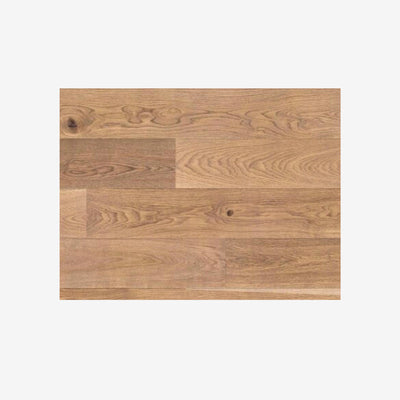
Beyond colour, a room is defined by how it feels underfoot and under hand. This is where fabric swatches, timber veneers, stone slabs and metal finishes enter the board, physical fragments that translate touch into a visual language. Pairing a raw linen with polished marble, or brushed brass with soft bouclé, tells a story colour alone cannot: one of contrast, warmth, and depth.
Furniture and Decor References
Finally, a mood board grounds itself in real form. Reference images of furniture silhouettes, lighting fixtures and decorative objects show how the palette and materials translate into actual pieces within a room. These aren't final selections so much as mood board ideas in motion, a visual shorthand for scale, proportion and character before a single item is sourced.
Why Mood Boards Matter in Interior Design
Every successful interior begins with a clear direction, and that's exactly what a mood board for interior design provides. Before materials are sourced or furniture is selected, we use mood boards to evaluate how colours, finishes, textures, and furnishings work together. This early visual planning helps us refine ideas, maintain consistency, and make confident design decisions that align with the overall vision of the space.
At CasaMilano, mood boards also become an essential communication tool between our designers and clients. They allow us to discuss preferences, compare material combinations, and fine-tune every detail before execution begins. By combining creativity with practical planning, our home interior design ideas evolve into spaces that feel cohesive, functional, and thoughtfully designed from start to finish.
How To Create A Mood Board
Building a mood board doesn't require formal training, only intention. Whether you're refining a single room or an entire home, the process rewards patience over speed. Approached step by step, even a first attempt at an interior design mood board can feel less like guesswork and more like a considered, confident act of design.
Step 1: Define the Feeling First
Before gathering a single image, decide how the space should feel, calm, dramatic, warm, minimal. This emotional anchor guides every choice that follows, ensuring the board reflects a mood rather than a random collection of pretty things.
Step 2: Gather Inspiration Widely
Collect images from magazines, photographs, architecture, even nature, anywhere a colour, texture or composition catches your eye. At this stage, quantity matters more than precision; you can always edit later.
Step 3: Choose a Core Palette
Narrow your collection down to two or three dominant colours and one accent. This becomes the visual backbone of the room, keeping every later decision, fabric, paint, furniture, anchored to a single story.
Step 4: Layer in Textures and Materials
Add fabric swatches, timber samples or stone finishes alongside your images. This is where a mood board for interior design moves from inspiration to specification, showing how surfaces will actually look and feel together in the room.
Step 5: Arrange and Refine
Lay everything out, physically or digitally, and edit ruthlessly. Remove anything that competes rather than complements. A strong board feels effortless, but it is almost always the result of careful subtraction.
Conclusion
A thoughtfully curated interior design mood board does more than organise ideas, it creates confidence in every design decision that follows. When colours, materials, lighting, and furnishings are considered together from the outset, the result is an interior that feels cohesive, functional, and true to the way you live.
At CasaMilano, we believe every exceptional home begins with a clear vision and a carefully considered design process. Our team works closely with clients to transform home interior design ideas into timeless spaces through thoughtful planning, refined material selections, and beautifully crafted interiors that are made to be lived in and enjoyed for years to come.
Frequently Asked Questions
1. Do I need a mood board before starting a renovation?
While a mood board is not mandatory, it is highly useful before beginning a renovation. It helps define the style, colours, materials, and overall direction of the project, making it easier to plan decisions and avoid inconsistencies later.
2. Can I make a mood board myself?
Yes, homeowners can create their own mood boards using images, material samples, colour references, and furniture ideas that represent their preferred style. However, working with a designer can help refine the concept and create a more cohesive result.
3. What tools are used to create a mood board?
Mood boards can be created using both physical and digital tools. Traditional boards may include printed images, fabric swatches, and material samples, while digital platforms like Pinterest, Canva, and design software are commonly used for online versions.
4. How detailed should a mood board be?
A mood board should include enough detail to communicate the overall vision without becoming overwhelming. It should represent key elements such as colours, textures, materials, furniture styles, and decorative choices that define the intended design direction.
5. Is a mood board the same as a design plan?
No, a mood board and a design plan serve different purposes. A mood board focuses on the visual style and atmosphere of a space, while a design plan includes practical details such as layouts, measurements, budgets, and execution steps.
6. Can a mood board change during the design process?
Yes, a mood board can evolve as the project develops. New ideas, material choices, or design considerations may influence the original concept, allowing the mood board to be refined until it accurately represents the final vision.