



How Italian Design Shapes Contemporary Living Spaces
The history of designing and shaping spaces is dated 5,000 years back. It was introduced by the Egyptian and Roman people and since then each advancement has left its own mark. Modern designing adds shape to the living space but adding a touch of history and antiques in your design gives the entire room a modern yet ethnic vibe.
This entire design is summed up as Italian Designing. With modern changes and a hint and touch of history, Italian Design shapes contemporary living spaces. At Casa Milano, we design spaces that not only look or feel good but also reflect the stages of designing along with functionality at its peak. In this blog, we will understand Italian Designing and how it affects your interior designing board.
The Foundations Of Italian Design
Every distinguished Italian home design begins with the hand of the artisan, not the impulse of trend. Generations of craftsmen have shaped this legacy of stone cut with precision, wood joined with patience, leather stitched to endure. Craftsmanship is not a finishing detail; it is the foundation upon which authentic design is built, the discipline that distinguishes true design from mere decoration.
This same discipline gives rise to restraint. Italian aesthetics favor clarity of line over excess, proportion over ornament, a form that earns its place through purpose. From Renaissance façades to Milanese modernist interiors, one instinct persists: architecture that continues to inform how a space is designed today.
Key Elements Of Italian Design
Beyond craftsmanship and restraint, Italian design reveals itself through a set of recognizable signatures. Across generations, these elements have come to define luxury interior design, a language spoken through line, material, and colour, refined until nothing remains but what is essential.
-
Clean Lines And Minimalism
Minimalism, in the Italian sense, is not absence but intention. Every line is considered, every surface deliberate, clarity favoured over embellishment, restraint itself the ultimate expression of taste.
-
Natural Materials
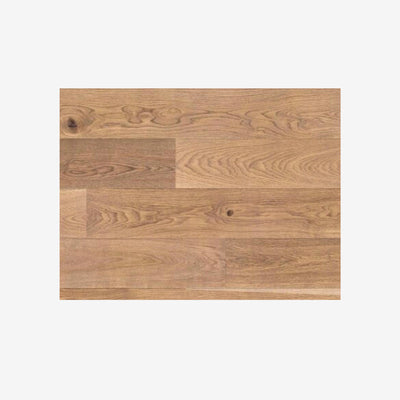
Marble, walnut, and full-grain leather form the backbone of every Italian furniture piece, chosen not for trend, but for how they age, deepen, and reveal character with time.
-
Bold Yet Balanced Color Palettes
Colour, when used, is never accidental. A single striking hue, burnt terracotta, deep emerald, is balanced by neutral tones, allowing intention to speak louder than abundance ever could.
How Italian Design Influences Modern Furniture
Italian design does not stop at architecture, it moves seamlessly into how furniture is conceived, built, and lived with. In contemporary interior design, this influence shows up wherever form, function, and atmosphere are treated as a single, unified idea.
-
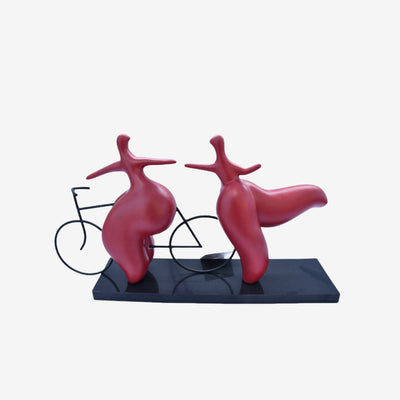
Sculptural Furniture Pieces –Each piece is approached as a study in form before it is treated as an object of use, with curves and proportions considered the way a sculptor considers mass and negative space.
-
Form as Language –A chair or console is rarely just seating or storage in this tradition; it is a considered silhouette meant to hold its own presence within a room.
-
Functional Elegance –Beauty is never permitted to compromise usability, every surface, joint, and proportion is engineered to be lived with daily, not simply admired from a distance.
-
Comfort Without Compromise –What distinguishes this Italian furniture approach is the refusal to separate comfort from craft, ease of use is designed with the same rigor as appearance.
-
Statement Lighting –Lighting within this tradition is never an afterthought bolted onto a finished room; it is conceived as a centrepiece in its own right.
-
Illumination as Atmosphere –A single, well-considered fixture can define the mood of an entire space, reinforcing why lighting sits at the heart of the room rather than at its edges.
Italian Design In Contemporary Kitchens And Bathrooms
Few spaces reveal this philosophy as clearly as the kitchen and bathroom, where luxury home interiors demand both precision and restraint. Here, Italian sensibility translates into surfaces, fittings, and layouts designed to feel as considered as any living space, functional, yet unmistakably refined.
-
Handleless And Minimalist Cabinetry
Streamlined cabinetry removes visual clutter entirely, allowing form to remain uninterrupted. Push-to-open mechanisms and flush surfaces reflect a broader commitment to clarity over ornamentation, even in the most functional corners of the home.
-
Marble And Stone Surfaces
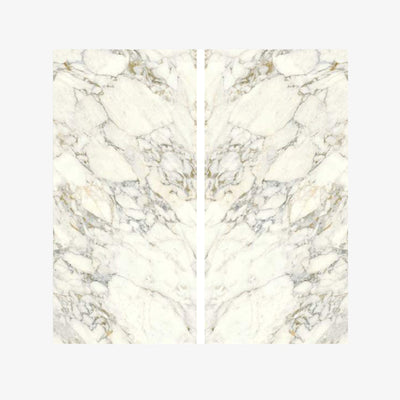
Natural stone remains central to modern Italian interior design, chosen for its permanence as much as its beauty. Marble and stone surfaces bring quiet grandeur to countertops and flooring, aging with a character no synthetic material can replicate.
-
Refined Sanitaryware Design
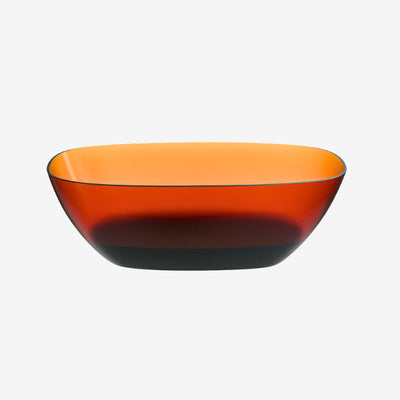
Even fixtures are treated as considered objects rather than utilities. Faucets, basins, and fittings are shaped with the same sculptural intent applied elsewhere in the home, proving restraint and luxury are never mutually exclusive.
Adapting Italian Design To Modern Living
|
Principle |
How To Apply It |
Why It Works |
|
Mixing Traditional And Modern Elements |
Pair a single heritage piece, an antique mirror, a carved console, with clean-lined contemporary furniture. |
Contrast creates depth; the old anchors the new, preventing a space from feeling either sterile or dated. |
|
Choosing Quality Over Quantity |
Invest in fewer, well-made pieces rather than filling a room to capacity. |
Italian design has always prioritised longevity over volume, one considered piece outlasts several disposable ones. |
|
Personalizing Italian-Inspired Spaces |
Adapt colour, material, and scale to reflect personal taste rather than replicating a showroom exactly. |
Authentic Italian style has never been about uniformity; individuality within restraint is part of the tradition itself. |
|
Layering Texture Over Pattern |
Combine matte and polished finishes, stone against leather, brushed metal against wood, instead of relying on a printed pattern. |
Texture reads as more sophisticated than pattern and ages better within a neutral palette. |
|
Letting Light Define The Space |
Use natural light and sculptural fixtures to shape a room, rather than over-furnishing it. |
Italian interiors treat light as a material in itself, a space well lit needs far less to feel complete. |
Conclusion
From craftsmanship and restraint to natural materials and considered form, Italian home design has endured for one reason above all, it was never built to chase trends, only to outlast them. Every principle explored here, from sculptural furniture to handleless cabinetry, reflects the same enduring idea: that true luxury lies in intention, not excess.
This philosophy is precisely what guides every space we create at Casa Milano. Rooted in luxury interior design, our approach honours the same balance of heritage and modernity, curating pieces and finishes that don't simply furnish a room, but define it.
Frequently Asked Questions
-
What defines Italian design style?
Italian design is defined by the union of craftsmanship, restraint, and form, where every material and line serves a clear purpose. It draws as much from historic architecture as it does from contemporary minimalism.
-
Is Italian design the same as minimalism?
Not quite, while both value clean lines and simplicity, Italian design allows for expressive materials, sculptural form, and considered colour. Minimalism strips back; Italian design refines instead of removes.
-
Can Italian design work in small spaces?
Yes, and often more effectively, its emphasis on quality over quantity and uncluttered form suits compact spaces particularly well. A few well-chosen pieces can define a room without overwhelming it.
-
What materials are commonly used in Italian design?
Marble, natural wood, and leather remain foundational, chosen for durability and how they age over time. Metal accents and glass are often layered in to add contrast and refinement.
-
Is Italian furniture design expensive?
It can carry a higher investment, largely due to the craftsmanship and material quality involved. However, the emphasis on longevity means fewer replacements over time, offsetting the initial cost.
-
How can I add Italian design touches to my home?
Start with one considered piece, a marble surface, a sculptural light fixture, or handleless cabinetry, rather than an entire room overhaul. Layer texture and quality over quantity to build the effect gradually.