
Shop by Category


Shop by Brands


-

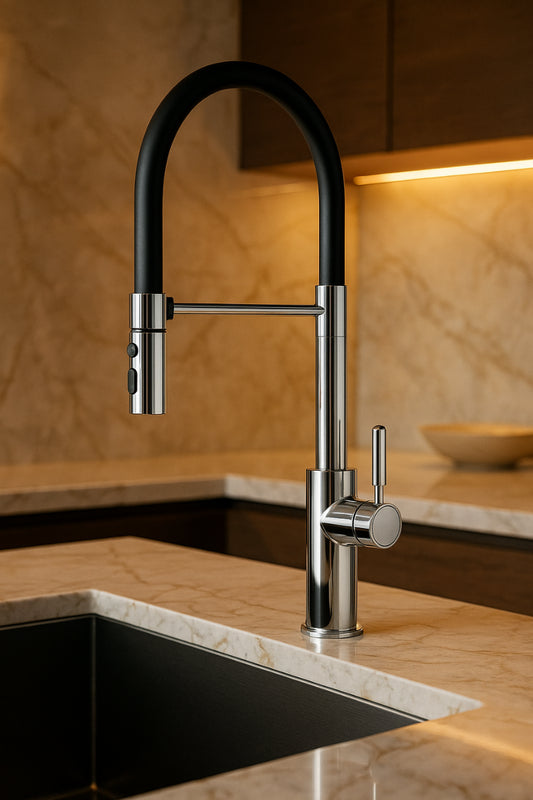
 Vendor:CLEARegular price From AED 989 to AED 1,318Sale price From AED 989 to AED 1,318Unit price per
-

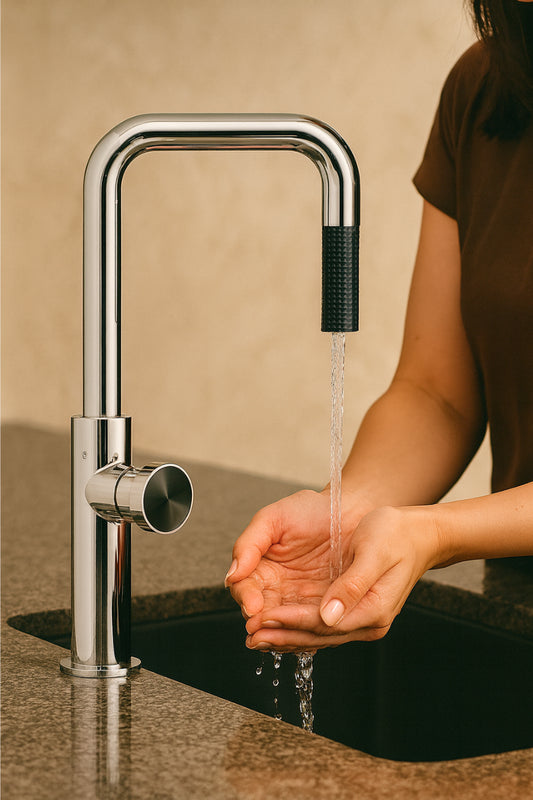 Vendor:CLEARegular price From AED 1,375 to AED 1,644Sale price From AED 1,375 to AED 1,644Unit price per
-

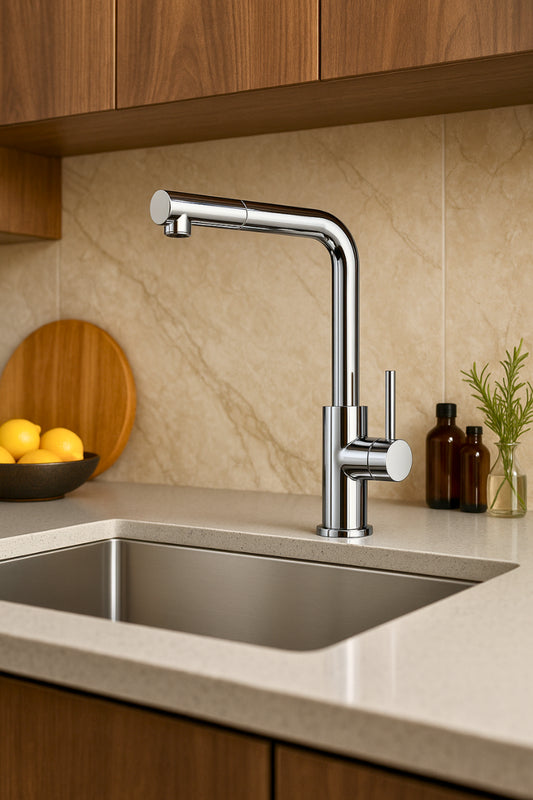 Vendor:CLEARegular price From AED 788 to AED 1,047Sale price From AED 788 to AED 1,047Unit price per
-
 New Arrival
-

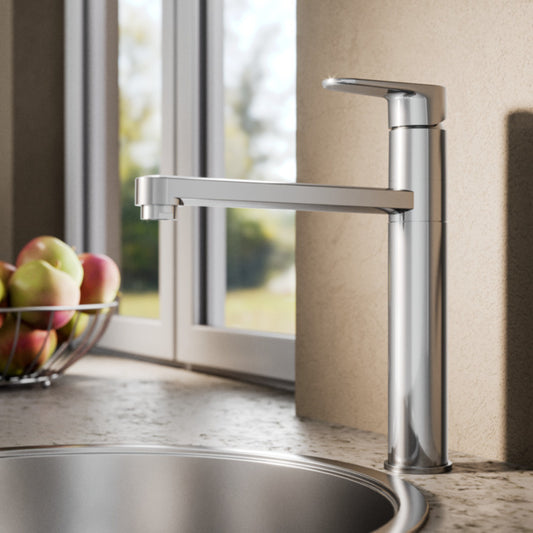
 Vendor:Ideal StandardRegular price From AED 800 to AED 2,564Sale price From AED 800 to AED 2,564Unit price per

-


-


-

-

-

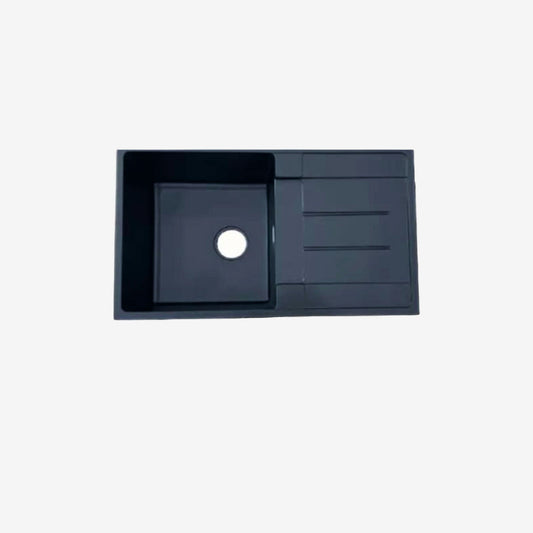 Vendor:CLEARegular price From AED 974 to AED 1,394Sale price From AED 974 to AED 1,394Unit price per
-

 Vendor:CLEARegular price From AED 1,195 to AED 1,389Sale price From AED 1,195 to AED 1,389Unit price per
-

 Vendor:CLEARegular price From AED 732 to AED 907Sale price From AED 732 to AED 907Unit price per


What if the busiest part of your kitchen deserves to be one of its most beautifully considered?
The kitchen sink is rarely just a place to rinse a plate or fill a pot. It sits at the centre of preparation, cleaning and countless everyday routines, which means its size, configuration and surrounding fittings have a real effect on how naturally the kitchen works. A well-chosen sink can make those repeated moments feel easier while adding another layer of design to the space.
At Casa Milano, our collection of kitchen sinks brings together sinks, mixers and complementary solutions designed around both performance and visual harmony. From streamlined single bowls to practical double-bowl configurations, alongside kitchen sink mixers, taps and pot fillers, the collection allows the working side of the kitchen to be considered with the same attention as its cabinetry, worktops and finishes.
About Casa Milano
Casa Milano brings together Italian design sensibility, international brands and expertise across luxury interiors, offering considered kitchen solutions alongside every other layer of the home. Our portfolio extends across kitchens, sanitaryware, flooring, wardrobes and other interior elements, allowing individual products to be selected as part of a wider design direction rather than as isolated purchases.
With more than 46 world-class brands and six showrooms across the UAE, Casa Milano offers homeowners, architects and designers access to a curated range of international interior solutions. From the larger architectural choices to the fittings used every day, our approach is centred on finding the right balance between material, function, proportion and visual character.
About Our Kitchen Sink Collection
Kitchen Mixers: Designed to make everyday washing and preparation more fluid, the collection includes pull-out and contemporary mixer designs alongside more distinctive silhouettes from brands including CLEA, Perrin & Rowe and VADO.
Pot Fillers: Positioned around one of the kitchen's most useful moments, pot fillers provide a dedicated water source for filling cookware directly at the cooking area, reducing the need to carry heavy pots back and forth to the sink.
Single Bowl Sinks: A streamlined choice for kitchens where one generous basin is preferred, with Casa Milano offering stainless steel options designed around clean geometry and efficient everyday use.
Double Bowl Sinks: Two-bowl configurations create greater separation between different kitchen tasks, making it easier to wash, rinse and prepare simultaneously. Casa Milano's collection includes stainless steel double-bowl options with integrated fittings and bottle traps.
Why Choose Kitchen Sinks
Designed Around Real Kitchen Routines: The right sink should support the way the kitchen is actually used, whether that means washing large cookware, preparing ingredients or handling several tasks at once.
Choice of Configuration: Single and double bowl designs allow the sink to be matched to the available counter space, household routines and level of multitasking required.
Materials Built for Everyday Work: Stainless steel options offer durability, corrosion resistance and easy maintenance, making them particularly suited to a surface that sees constant contact with water, cookware and food preparation.
A More Cohesive Kitchen: The sink does not have to feel visually separate from the rest of the kitchen. Its shape, finish and accompanying mixer can echo the cabinetry, worktop and other hardware around it.
Function Meets Finesse: A kitchen sink is used repeatedly throughout the day, so good design should make it comfortable and practical to use without allowing functionality to overwhelm the visual character of the room.
Why Choose Kitchen Sinks at Casa Milano?
Choosing a kitchen sink means considering more than the dimensions of the bowl. Mounting style, material, configuration, mixer compatibility and the way the sink relates to the worktop all influence how well the finished installation performs. Casa Milano brings these considerations together through a collection spanning sinks, kitchen mixers, pot fillers and different bowl configurations.
The wider range also makes it easier to create a kitchen where functional fittings belong to the same design conversation. A stainless steel sink can be paired with a carefully selected kitchen sink tap, while a distinctive mixer or pot filler can introduce another finish or visual accent. With products from brands including CLEA, Perrin & Rowe and VADO, Casa Milano gives designers and homeowners room to approach the working elements of the kitchen with the same thoughtfulness applied to its cabinetry and surfaces.
Conclusion
The kitchen sink may be one of the hardest-working elements in the room, but that does not mean it needs to look purely functional. When its proportions, configuration, material and accompanying fittings are chosen thoughtfully, it becomes part of the kitchen's overall character while making everyday tasks feel more natural.
At Casa Milano, our range of kitchen sinks brings together practical configurations, considered materials and complementary fittings for kitchens where performance and design are expected to work side by side. Explore the collection to find a sink and supporting fixtures that make the everyday business of the kitchen feel a little more considered.
FAQs
1. Which kitchen sink materials are resistant to heat, stains and corrosion?
Kitchen sinks are available in materials such as stainless steel, granite composite and ceramic, each with different performance characteristics. Stainless steel resists rust when properly maintained, while composite and ceramic sinks offer different levels of heat, stain and impact resistance depending on their construction.
2. What is the difference between a 304 and a 316 stainless steel kitchen sink?
Both grades contain chromium and nickel, but 316 stainless steel also includes molybdenum, which improves resistance to certain corrosive environments. Grade 304 is commonly used for kitchen sinks, while 316 may be specified where greater corrosion resistance is required.
3. What is the difference between an undermount, top-mount and flush-mount kitchen sink?
An undermount sink is fixed beneath the worktop, while a top-mount sink rests on the counter with its rim visible. A flush-mount sink is installed so its edge aligns with the worktop surface, creating a more continuous transition.
4. Does the thickness of a stainless steel kitchen sink affect its performance?
Sink thickness can influence rigidity, resistance to denting and sound transmission. However, performance also depends on the steel grade, bowl design, reinforcement and installation quality, so thickness should be considered alongside the complete product specifications.
5. What size and depth should I choose for a kitchen sink?
The appropriate dimensions depend on the available cabinet space, worktop cut-out, kitchen tasks and cookware size. A deeper bowl can accommodate larger pots, but the cabinet dimensions, plumbing clearance and user's comfort should also be considered.
6. What causes condensation to form underneath a kitchen sink?
Condensation can occur when warm, humid air comes into contact with a sink surface cooled by cold water. Ventilation, managing indoor humidity and checking for plumbing leaks can help address moisture; insulation may also be relevant depending on the sink design.
7. Are kitchen sinks compatible with garbage disposals and different waste fittings?
Compatibility depends on the sink’s waste opening diameter, bowl configuration, available cabinet space and the disposal unit’s mounting system. Confirm the sink’s outlet dimensions and the disposal manufacturer’s requirements before installation.
8. How can I reduce noise from a stainless steel kitchen sink?
Some stainless steel sinks include sound-dampening pads or undercoating to reduce noise from running water and utensils. Noise levels also depend on steel thickness, bowl design and installation, so check whether the selected model includes acoustic treatments.