



Best Freestanding Bathtub Material: Acrylic, Stone Composite, or Solid Surface
The first step towards the dip of calmness and already the chaos of the day seems to fade away. The tense decisions vanish as you submerge yourself in that relaxing lather. The warm water brushes off the fatigue and the lather welcomes you with a peaceful touch. Getting soaked in that warm bubbly bath and finally you settle for the day. This no longer feels like the finishing line or a daily task instead turns into a ritual. Baths are the things motivating you towards the end of the day when you finally relax. When these elements are so important then they deserve some little extra selection categories. With multiple options in the market and freestanding being the most chosen one, picking the best can seem challenging.
The type matters but what happens when the water flow is not handled by the bathtub surface and might cause leakages? Or what happens when the flooring is not strong enough to withstand the weight of the freestanding bathtub? That is when the material really comes into the picture. At Casa Milano, our focus is on design with flexibility and functionality. In this blog, we will understand the types of materials and which suits your design and function the best. Baths are the conclusion of the day, a relaxing end and that deserves attention.
Why Material Is the Foundation of Every Great Bathtub
The material of the bathtub depends on your vision and execution of the idea. Each material has its own share of pros and cons so a random material might not prove to be your best selection. The materials shape the comfort of the place and the usage. The longevity is affected likewise. A place with continuous water flow gets weak, basic physics, so choosing a material that withstands the pressure is important. In all this chaos looking after the design becomes equally important, because you don't want your vintage feel bathroom to have a modern transparent bathtub. A complete distraction.
With so many categorizations already choosing a material gets tricky. Adjusting your lifestyle, usage, design, vision, and combining all into the perfect choice. In midst this chaos choosing the material is the easiest part. The material selection has already classified everything based on your usage and preference and that is when all these ideas start falling in place.
Acrylic Freestanding Bathtubs: Lightweight and Versatile
An acrylic freestanding bathtub brings an easy balance between everyday practicality and indulgent bathing. Its surface is durable enough for regular use, while its ability to hold warmth helps the bath remain inviting for longer. Maintenance is equally uncomplicated, making it a sensible choice for spaces where comfort, convenience, and a polished appearance need to coexist without demanding constant attention.
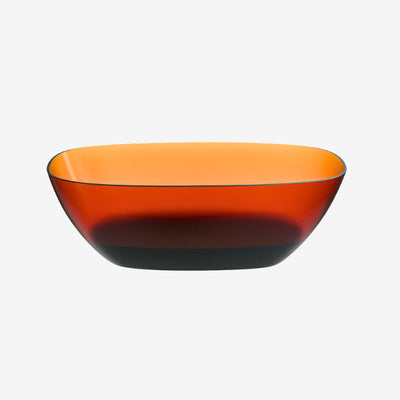
Then comes the freedom to shape the bathroom around your imagination. Acrylic can move from softly curved classic silhouettes to contemporary transparent forms, allowing the bathtub to become either a quiet centrepiece or a striking design statement. For a luxury freestanding bathtub, this flexibility opens up possibilities where the material supports the aesthetic instead of restricting it.
Stone Composite Bathtubs: Substance and Sophistication
There is something reassuring about a bathtub that feels substantial. A stone composite freestanding bathtub brings that sense of permanence, offering strength for everyday use while holding warmth beautifully once the bath begins. With thoughtful long-term care, its robust nature can continue to support the space for years, making it a considered choice rather than a fleeting design decision.
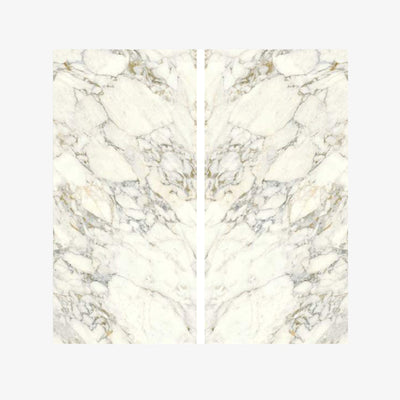
Then there is the surface itself. The soft, matte finish carries the quiet character of natural stone without making the bathroom feel heavy or overly formal. It invites touch, catches the light gently, and gives the bath a sculptural presence. For those seeking a heat retention bathtub, stone composite brings comfort and material character together with effortless sophistication.
Solid Surface Bathtubs: Sculptural and Seamless
A solid surface free standing bathtub brings a sense of quiet confidence to the bathroom. Its durable composition stands up well to everyday use, while resistance to stains and scratches helps preserve that clean, refined appearance. It is the kind of material that does not ask for constant attention, allowing its smooth finish to remain part of the room’s visual calm.
Its real charm, however, lies in what can be shaped from it. Clean contours, fluid curves, and distinctive silhouettes can transform the bathtub into a sculptural feature without overwhelming the space. A solid surface bathtub suits minimalist interiors especially well, where fewer visual distractions allow proportion, form, and seamless detailing to speak for themselves.
Matching Bathtub Material to Your Bathroom's Design Vision
Material can quietly change the entire personality of a bathroom. Once the freestanding bathtub materials compared have been understood, the next question is where each belongs. The right choice should feel connected to the room, complementing its architecture, finishes, and the atmosphere you want to create.
- Acrylic:- Acrylic’s design flexibility makes it comfortable in both traditional and contemporary settings. Soft curves can complement classic bathrooms, while unusual silhouettes and transparent forms can introduce a more modern character without making the room feel visually heavy.
- Stone Composite:- With its substantial presence and tactile, matte surface, stone composite naturally complements classic, earthy, and sophisticated interiors. It works particularly well where natural textures, deeper tones, and a sense of permanence are central to the design language.
- Solid Surface:- Clean lines and sculptural possibilities make solid surface a natural companion for minimalist and contemporary bathrooms. Its seamless appearance can also support spa-inspired spaces, where restrained forms, uncluttered surfaces, and a feeling of calm take priority.
Solid Surface Vs Acrylic Vs Stone Composite Freestanding Bathtub
|
Consideration |
Acrylic |
Stone Composite |
Solid Surface |
|
Material Character |
Lightweight and versatile, acrylic offers a smooth finish and works well across a wide range of bathroom styles. |
Known for its substantial feel and stone-inspired character, bringing a strong material presence to the bathroom. |
Offers a refined, seamless appearance that complements contemporary and minimalist interiors. |
|
Durability |
Well suited to regular residential use with appropriate care and maintenance. |
Its solid construction makes it a suitable choice for bathrooms where a substantial and enduring material is preferred. |
Designed for everyday use, with a durable surface that can maintain its smooth appearance with proper care. |
|
Heat Retention |
Provides good heat retention for a comfortable bathing experience. |
Its dense construction can help retain warmth, making it well suited to longer, relaxing baths. |
Offers effective heat retention, supporting a comfortable bathing experience. |
|
Maintenance |
Easy to clean with regular care and non-abrasive cleaning products. |
Routine cleaning with suitable products helps maintain its finish and overall appearance. |
Its smooth, seamless surface allows for straightforward everyday cleaning and care. |
|
Design Flexibility |
Available in a variety of shapes and silhouettes, making it adaptable to different bathroom layouts and aesthetics. |
Its natural-looking, substantial character works particularly well where the bathtub is intended to become a strong design feature. |
Well suited to sculptural forms, clean lines and contemporary bathroom schemes. |
|
Ideal For |
Bathrooms where versatility, ease of maintenance and a broad choice of designs are important. |
Spaces where material presence, a substantial feel and a stone-inspired aesthetic are key considerations. |
Interiors that focus on seamless detailing, minimalist forms and a refined contemporary look. |
Conclusion
There is no single formula for the best freestanding bathtub material. Acrylic, stone composite, and solid surface each bring their own balance of comfort, character, durability, and design flexibility. What matters is choosing the material that understands your space, supports your routine, and makes the everyday bath feel as considered as the room around it.
At Casa Milano, we believe good design begins when beauty and practicality stop competing with each other. Our approach is to bring these elements together, helping you create bathrooms where material honesty, comfort, and aesthetic vision feel naturally connected. Because the right bathtub should not simply occupy the space; it should belong to it.
FAQ’s
-
Which material is most suitable for a freestanding bathtub?
The right material depends on your design, usage, maintenance preferences, and structural requirements. Acrylic, stone composite, and solid surface can all create an elevated bathing experience when selected thoughtfully.
-
Does the material of a bathtub affect how long the water stays warm?
Yes, different materials have different heat-retention properties. Stone composite and solid surface are particularly well suited to longer, warmer baths, while acrylic also provides comfortable heat retention.
-
Are acrylic freestanding bathtubs durable enough for everyday use?
Yes, quality acrylic bathtubs can handle regular use when properly installed and maintained. Gentle cleaning and avoiding abrasive products help preserve the surface over time.
-
Are stone composite bathtubs difficult to maintain?
Stone composite requires thoughtful routine care, but it does not demand complicated maintenance. Regular cleaning with suitable products helps protect its surface and appearance for years.
-
Can a solid surface bathtub be customised to suit a bathroom design?
Solid surface is particularly versatile when it comes to sculptural forms and clean, contemporary silhouettes. Its shaping possibilities make it well suited to distinctive minimalist and architectural interiors.
-
Which bathtub material works best for a traditional bathroom?
Acrylic can complement traditional bathrooms through curved and classic silhouettes, while stone composite can introduce a more substantial, natural character. The surrounding finishes and proportions also influence the final look.
-
What should I consider before choosing a freestanding bathtub material?
Look beyond appearance and consider weight, floor strength, installation, heat retention, maintenance, durability, and the overall design language of the bathroom. The material should work with both the space and your everyday routine.