


Shop by Category


Shop by Brands


-


-

 Vendor:VADORegular price From AED 198 to AED 253Sale price From AED 198 to AED 253Unit price per
-

 Up to 71% OffVendor:VADORegular price From AED 203 to AED 464Sale price From AED 203 to AED 464 Exclusive OfferUnit price per
-

-

-
 Vendor:Ideal StandardRegular price AED 2,622Sale price AED 2,622Unit price per
-

-

-

-
 Vendor:Ideal StandardRegular price AED 1,161Sale price AED 1,161Unit price per
-
 Vendor:Ideal StandardRegular price AED 2,598Sale price AED 2,598Unit price per
-
 Vendor:Ideal StandardRegular price AED 1,446Sale price AED 1,446Unit price per
-

-

-

-

-
 Vendor:Ideal StandardRegular price AED 1,590Sale price AED 1,590Unit price per
-

-

-

-

 Vendor:Ideal StandardRegular price From AED 199 to AED 614Sale price From AED 199 to AED 614Unit price per
-

 Vendor:Ideal StandardRegular price From AED 612 to AED 638Sale price From AED 612 to AED 638Unit price per
-

-
 Vendor:Ideal StandardRegular price AED 1,285Sale price AED 1,285Unit price per
-

 Vendor:VADORegular price From AED 205 to AED 228Sale price From AED 205 to AED 228Unit price per
-
 Up to 61% OffVendor:VADORegular price AED 211Sale price AED 211 Exclusive OfferUnit price per
-


What if the best-designed part of your bathroom is the part you never actually see?
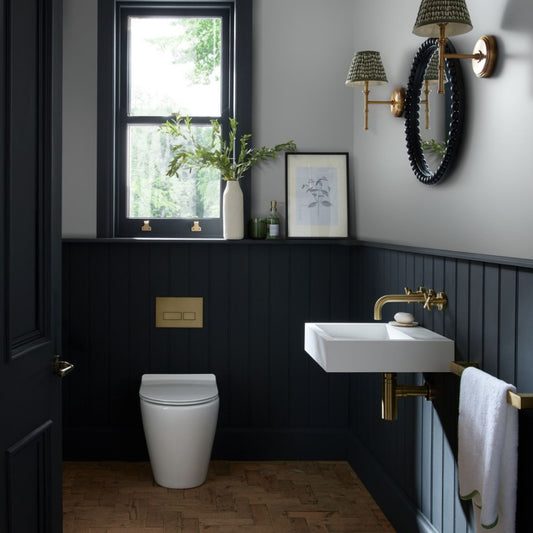
Behind every clean-lined bathroom is a layer of engineering doing its work quietly. Concealed cisterns, flush tanks and the mechanisms behind the flush plate are hidden once the wall is finished, but they influence everything from the position of the toilet to the amount of visual clutter left in the room. The result is a bathroom that feels simpler because the technology has been thoughtfully planned out of sight.
At Casa Milano, our collection of flush and concealed systems brings together the infrastructure that helps create streamlined, contemporary bathrooms. By moving essential components behind the wall, these solutions leave the visible space cleaner and give sanitaryware, tiles and architectural finishes more room to define the overall design.
About Casa Milano
Casa Milano brings together Italian design sensibility, international brands and expertise across luxury interiors, creating considered solutions for bathrooms, kitchens and complete residential and hospitality spaces. With more than 46 world-class brands and six showrooms across the UAE, our portfolio brings together the products and technical elements needed to create interiors that feel resolved from the inside out.
Concealed systems are a good example of why bathroom planning needs to happen before the final finishes are chosen. Wall depth, installation requirements, access points and compatibility with the selected sanitaryware all need to be considered early. Our range of concealed flush systems allows these practical decisions to become part of the design process, rather than something that has to be accommodated later.
About Our Flush and Concealed Systems Collection
Concealed Cisterns: Installed behind the finished wall to keep the flushing mechanism out of sight, creating a cleaner relationship between the toilet and surrounding architecture.
Flush Tanks: Practical flushing solutions designed around different installation requirements, helping provide reliable performance while supporting streamlined bathroom layouts.
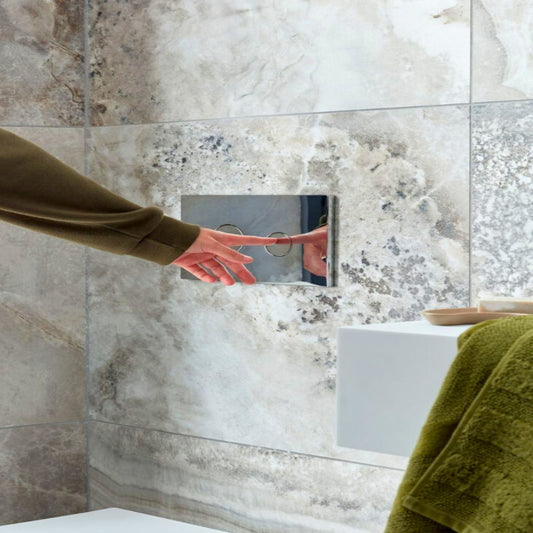
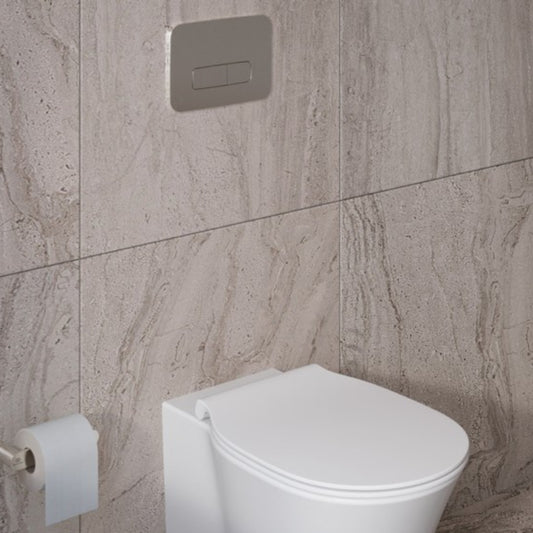
Flush Plates: The visible point of interaction with a concealed system, available in different forms and finishes that can become a subtle design detail within the wall.
Why Choose Flush and Concealed Systems?
A Cleaner Bathroom: Concealing the cistern and supporting mechanisms removes bulky visible components, leaving the toilet area more streamlined and visually open.
Better Use of Space: Wall-mounted sanitaryware and concealed installations can create a greater sense of floor space, particularly valuable in compact or carefully planned bathrooms.
Architectural Freedom: With the main flushing components hidden behind the wall, tiles, stone and other finishes can continue more seamlessly around the toilet area.
Designed Around the Wall: Concealed systems allow the bathroom to be planned as a complete architectural composition, rather than having visible plumbing dictate the final appearance.
Reliable Functionality: Behind the minimalist appearance is a practical flushing system designed for regular use, making engineering quality just as important as the finish seen on the wall.
Why Choose Flush and Concealed Systems at Casa Milano?
Concealed installations need to be chosen with the entire bathroom in mind. The cistern has to be compatible with the sanitaryware, the wall needs to accommodate the required installation depth, and the flush mechanism needs to remain accessible for future maintenance. Getting these details right before construction is what allows the finished bathroom to look effortless later.
Casa Milano brings together concealed solutions from established international brands, giving designers and homeowners access to systems that support both contemporary aesthetics and practical bathroom planning. From the mechanism hidden behind the wall to the flush plate that remains visible, each element can be considered as part of one complete installation rather than as separate technical purchases.
Conclusion
A beautifully minimal bathroom does not mean there is less engineering behind it. Quite often, it means the engineering has been planned more carefully and moved somewhere you do not have to look at it. Flush and concealed systems make that possible, creating space for cleaner lines, uninterrupted finishes and a more considered bathroom layout.
At Casa Milano, our range of concealed flush systems brings together the technical components needed to achieve that balance between hidden performance and visible simplicity. With the right system behind the wall, the finished bathroom can give its attention to what matters most: the sanitaryware, materials, proportions and design of the space itself.
FAQs
1. What is a concealed flushing system, and how does it work?
A concealed flushing system houses the cistern and flushing mechanism behind a wall or within a fitted installation frame. When activated, the mechanism releases a controlled volume of water into the toilet pan to remove waste.
2. Are concealed cisterns compatible with all wall-hung and floor-mounted toilets?
No. Compatibility depends on the toilet pan's flushing requirements, outlet configuration, mounting arrangement and the concealed system's specifications. Check the manufacturer's compatibility details before selecting a cistern and toilet combination.
3. What is the difference between a single-flush and dual-flush concealed system?
A single-flush system releases a fixed volume of water per flush, while a dual-flush system offers separate full and reduced flush options. Dual-flush mechanisms allow users to select the appropriate flush volume, potentially reducing water consumption.
4. Do concealed flushing systems require a specific water pressure?
Yes. The required water supply pressure depends on the cistern's filling valve and flushing mechanism. Check the manufacturer's minimum and maximum operating pressure specifications to ensure the system is compatible with the building's water supply.
5. Can a concealed cistern be installed inside a false wall or partition?
Yes, provided the wall construction, installation frame and available depth meet the system's requirements. The structure must support the intended installation, and provisions should be made for plumbing connections, servicing and access through the flush plate opening.
6. How can concealed flushing systems be accessed for maintenance or repairs?
Many concealed cisterns are designed to provide access through the flush plate opening, allowing certain internal components to be inspected or replaced without removing the finished wall. The available access and servicing procedure depend on the system's design.
7. How do you prevent leaks in a concealed flushing system?
Use compatible inlet and outlet connections, correctly fitted seals and manufacturer-approved installation components. Proper installation and leak testing before closing the wall help identify potential issues, while accessible service points support future maintenance.
8. Are concealed flushing systems compatible with different flush plates?
Not all flush plates are interchangeable. Compatibility depends on the cistern model, flushing mechanism, actuator type and mounting arrangement. Always select a flush plate specified for the concealed system to ensure correct operation and fitting.