



What Is Porcelain Tile And How Is It Made
A porcelain wall large enough to span an entire living room, and your first instinct is usually to ask where the stone came from. Was it carved from a quarry in Italy? Is it a rare slab? The answer is often neither. What you're looking at began life as little more than refined clay, minerals, and an extraordinary amount of pressure.
That's the paradox of porcelain. The more convincing it becomes, the less attention it draws to itself. It can borrow the veining of marble, the quiet grain of oak, or the softness of limestone without pretending to be any of them. Its appeal isn't built on imitation but on engineering, a manufacturing process so precise that it has quietly redefined what architects and designers expect from a surface.
At CasaMilano, we believe materials become more interesting once you understand how they're made. Behind every porcelain tile is a sequence of craftsmanship, technology, and precision that explains not only its remarkable durability but also why it continues to shape some of today's most considered interiors.
What Is Porcelain Tile?
A client once asked us to source the marble from a photograph she loved. We told her she already owned it, it simply wasn't marble. It was porcelain tile, fired to imitate stone so precisely that even trained eyes hesitate. This is the material's quiet paradox: the more convincingly it imitates, the less it behaves like the thing it imitates.
In plain terms, porcelain tile is a type of ceramic made from finer, denser clay and fired at far higher temperatures. This is the detail most people miss when the two are used interchangeably. Standard ceramic tile is more porous and softer underfoot; porcelain is compressed harder, absorbs almost no water, and holds up under pressure that would eventually wear ceramic down.
How Porcelain Tile Is Made
Before it becomes the floor beneath a Dubai penthouse, porcelain begins as nothing more than clay, sand, and feldspar, raw and unremarkable. What transforms it is precision: exact proportions, intense pressure, and searing heat. Every slab of porcelain tiles is made through a process closer to metallurgy than pottery, where consistency, not chance, decides the final result, long before design ever enters the conversation.
Step 1 – Raw Material Selection –
It begins with clay, sand, and feldspar, sourced and tested for purity. Even a slight impurity can alter density later, so every batch is measured against exacting standards before it earns a place in production.
Step 2 – Mixing and Grinding –
The raw materials are ground into a fine powder, then blended with water to form a uniform paste. Consistency here determines everything, an uneven mixture will surface as flaws long after installation.
Step 3 – Pressing –
Under thousands of pounds of pressure, the paste is compressed into dense, uniform slabs. This is what separates porcelain from softer ceramics, the density that gives it strength long before it reaches a kiln.
Step 4 – Firing –
The pressed slabs are fired at extreme temperatures, often above 1,200°C, vitrifying the clay until it becomes near-impermeable. This single stage is what makes porcelain tile flooring so resistant to water and wear.
Step 5 – Cooling and Inspection –
Once fired, the tiles cool gradually and deliberately to prevent cracking, then undergo close inspection for size, tone, and surface consistency. Only the slabs that meet strict tolerances are permitted to move forward to finishing.
Step 6 – Cutting and Polishing –
The final stage cuts each slab into precise formats and, where desired, polishes the surface to a mirrored finish. What leaves the factory is no longer clay, it is architecture waiting for a floor.
Types Of Porcelain Tile
Not all porcelain wears the same face. Some are polished to a mirror, built for a lobby that wants to announce itself. Others are left matte and textured, made for spaces where bare feet meet the floor every morning. The finish is never decorative alone, it's a decision about how a room will feel, sound, and age.
Glazed vs. Full-Body Porcelain
Glazed porcelain carries a printed, protective layer on its surface, ideal where pattern and color need to be exact. Full-body porcelain, by contrast, holds the same color and texture straight through the tile, so a chip or scratch remains nearly invisible. Designers reach for full-body in high-traffic zones where perfection can't depend on a surface layer staying intact.
Polished, Matte, and Textured Finishes
Polished porcelain reflects light and amplifies space, making it a natural fit for porcelain kitchen tiles in homes built around openness and drama. Matte and textured finishes, meanwhile, offer grip and warmth underfoot, the reason they're so often specified as porcelain bathroom tiles, where safety matters as much as style.
Large-Format and Slab Porcelain
Modern manufacturing has pushed porcelain into massive single slabs, capable of covering an entire wall or floor with barely a seam. For a client who wants a space to read as seamless, no grout lines interrupting the eye, large-format porcelain has become the quiet standard.
Wood-Look and Stone-Look Porcelain
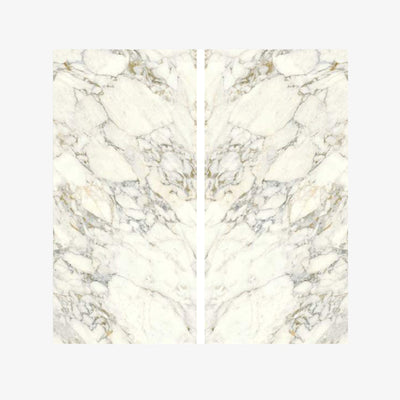
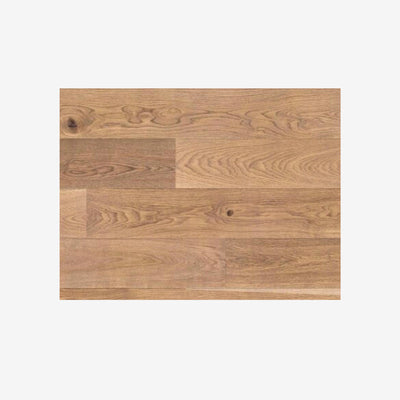
Perhaps the most requested category: porcelain engineered to replicate the grain of oak or the veining of marble, without inheriting the vulnerabilities of either. It's the material equivalent of having the aesthetic without the compromise.
Things To Consider Before Choosing Porcelain Tile
Not every porcelain suits every space, despite its reputation for versatility. Slip resistance, finish, and format all shift depending on where the tile lives, a lobby demands different qualities than a terrace. Even polished porcelain tiles, prized for their reflective elegance, aren't always the right answer once function enters the conversation alongside aesthetics.
Slip Resistance– A polished finish looks striking indoors but can become hazardous near water. Textured or matte surfaces offer better grip in bathrooms, kitchens, and transitional wet areas.
Indoor vs. Outdoor Use – Not all porcelain withstands weather. Outdoor porcelain tiles are engineered with higher slip resistance and frost tolerance, built specifically for terraces, pools, and exposed spaces.
Traffic and Wear – High-footfall areas call for denser, full-body porcelain. Lighter residential zones allow more flexibility in finish, thickness, and design without compromising long-term durability.
Format and Scale – Larger formats create a seamless, expansive feel but require flawless subfloor preparation. Smaller formats forgive imperfections but introduce more visible grout lines.
Color and Light – Darker porcelain absorbs light and can shrink a room visually, while lighter tones expand a space, especially useful in enclosed or low-light interiors.
Maintenance Expectations – While porcelain resists staining, unsealed grout lines still require attention. Choosing the right grout width and sealant preserves the tile's low-maintenance appeal.
Conclusion
Great interiors begin with thoughtful material choices, and large porcelain tiles continue to shape contemporary spaces through their ability to combine refined aesthetics with exceptional performance. When selected with the right finish, format, and application in mind, porcelain becomes more than a surface, it becomes an integral part of a space's architectural identity.
At CasaMilano, we believe every project deserves materials that deliver lasting value without compromising on design. Our curated collections help homeowners, architects, and interior designers discover porcelain bathroom tiles that complement modern lifestyles while reflecting the timeless craftsmanship of Italian design.
Frequently Asked Questions
1. Is porcelain tile better than ceramic tile?
Porcelain tile is generally denser, less porous, and more durable than ceramic tile, making it better suited for high-traffic areas and spaces exposed to moisture. Ceramic tile, however, is often more easier to install, making it a practical choice for walls or lighter-use spaces.
2. Is porcelain tile suitable for outdoor use?
Yes, especially unglazed or full-body porcelain tile, which offers excellent slip resistance and can withstand exposure to moisture, temperature changes, and heavy foot traffic, making it a popular choice for patios, walkways, and other outdoor areas.
3. How do you clean and maintain porcelain tile?
Porcelain tile is low-maintenance and typically only requires regular sweeping and occasional mopping with a pH-neutral cleaner. Its low porosity makes it resistant to stains, so spills can usually be wiped away easily without leaving lasting marks.
4. Is porcelain tile slippery when wet?
It depends on the finish. Glazed and polished porcelain can be slippery when wet, while textured, matte, or unglazed porcelain tiles offer better slip resistance, making them a safer choice for bathrooms and outdoor spaces.
5. Can porcelain tile crack easily?
Porcelain tile is highly durable and resistant to cracking under normal use. However, improper installation, an unstable subfloor, or extreme impact can still cause cracks, which is why proper installation and handling are important.
6. Is porcelain tile more expensive than ceramic?
Yes, porcelain tile generally costs more upfront due to its refined materials and manufacturing process. That said, its durability and long lifespan often make it a cost-effective choice over time.