


Decoding The Psychology Behind Luxury Interior Design
What does luxury actually mean? Is it the price on the tag, or the way something simply looks expensive? The two are not the same, and both deserve their own argument. Walk into a home built from the simplest elements, yet styled so precisely it feels imported from somewhere far more expensive, that's luxury interior design in its truest form. A piece worth less than 50 AED, placed with intention, can outshine everything else in the room. The mind has been trained to equate cost with luxury. It rarely is.
This is the exact space Casa Milano creates for you. We don't sell you a price tag, we sell you the actual element behind it. The marble that catches light at the right angle. The tap that feels expensive the moment you touch it. The tile that lets a room breathe instead of just filling it. Because real luxury was never about the bill, it's about the decision behind every single piece.
What Makes a Space Feel Luxurious
Luxury in an interior is often less about what a room contains and more about how it makes you feel. The brain responds instinctively to elements such as proportion, symmetry, natural light and well-chosen materials, reading them as signs of quality. Rarity also plays a role, giving distinctive materials and carefully selected pieces a sense of exclusivity. This is where luxury home décor becomes more than decoration; every element contributes to how the space is perceived.
Luxury is also experienced through the senses and through everyday comfort. The weight of a handle, the quiet movement of a door, the texture of natural wood or the ease of moving through a room can shape the experience just as much as what we see. Personal taste and cultural influences also determine what feels luxurious to us, making luxury home design as much about identity and lifestyle as it is about aesthetics.
The Psychology of Color in Luxury Spaces
Color rarely gets credit for what it actually does, it sets the mood before a single piece of furniture is even noticed. In modern luxury interior design, the palette isn't decoration, it's direction, quietly telling the brain how sophisticated a space should feel.
-
White signals restraint and space, the brain reads it as untouched, expensive, and endlessly easy to keep that way.
-
Beige and cream feel warm without trying, the calmest colors the eye can rest on, which is exactly why they never date.
-
Charcoal and black pull a room inward, adding weight and drama that lighter shades could never quite command.
-
Deep green feels grounded and natural, borrowing calm from the outdoors while still reading as considered and rich.
-
Navy blue carries quiet authority, familiar enough to feel safe, dark enough to still feel premium.
-
Gold and brass accents catch the eye on purpose, a single deliberate flash that says everything else was intentional too.
The Role of Materials and Texture
Materials influence how we perceive a space before we consciously think about them. The warmth of parquet, the precision of Italian tiles, the solidity of ironmongery and the finish of sanitaryware all create different impressions, shaping how luxury home interiors feel as much as how they look.
-
Natural Materials and Warmth
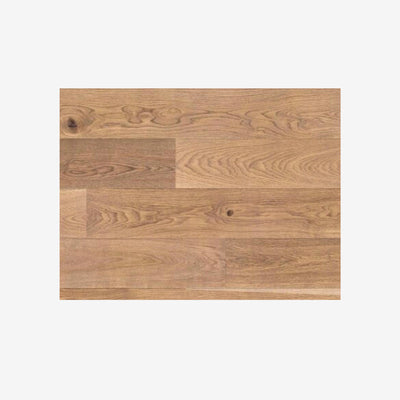
Parquet introduces natural grain, variation and warmth, creating a sense of authenticity that makes a space feel grounded rather than overly designed.
-
Surface and Visual Precision
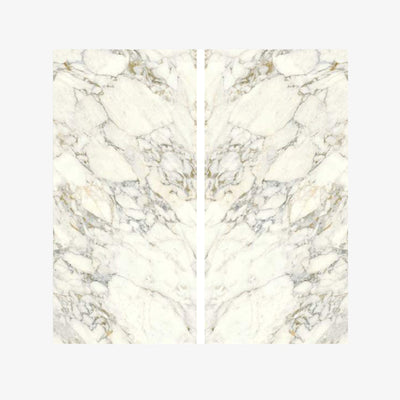
Italian tiles and carefully selected finishes create continuity and order, allowing the eye to move naturally through a space with the quiet precision associated with modern luxury interior design.
-
Form and Proportion
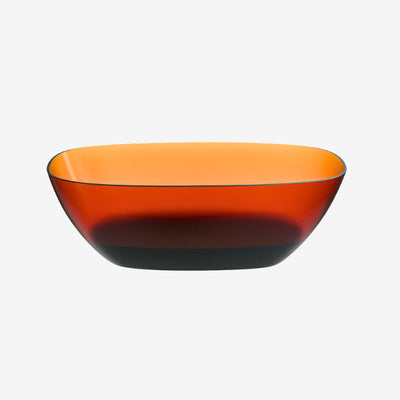
Sanitaryware demonstrates how shape and proportion influence perception. Clean, sculptural forms can make a bathroom feel considered, refined and visually balanced.
-
The Tactile Experience
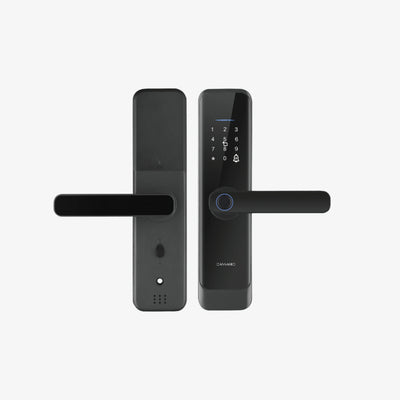
Ironmongery is experienced through touch as much as sight. The weight, texture and finish of a handle can subtly reinforce the feeling of quality every time it is used.
-
Texture Adds Personality
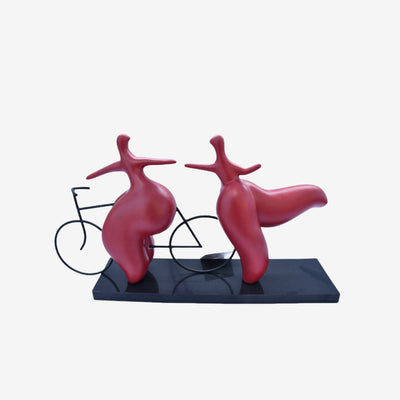
Home décor introduces softer layers through objects, finishes and materials, preventing a space from feeling too uniform while allowing personal character to come through.
-
Consistency Creates Cohesion
When parquet, tiles, sanitaryware, ironmongery and décor share complementary tones, textures and finishes, they create a material language that feels intentional rather than assembled piece by piece.
Spatial Design and the Feeling of Openness
Open spaces don't just look bigger, they feel calmer. The mind relaxes the moment it senses room to move, which is why open layouts have quietly become shorthand for comfort in premium interior design.
Balance is calm in disguise. A symmetrical layout doesn't announce itself, but the eye settles faster in a room that feels evenly weighted, order, without anyone having to point it out. Empty space is still a decision. A room that leaves room to breathe feels intentional, almost confident. Nothing needs to fill every corner for a space to feel complete.
A home should move the way you do. The ease of walking from one room into the next, without friction or hesitation, shapes comfort just as much as anything on the walls. Height changes how a room is felt, not just seen. A taller ceiling doesn't just add space, it adds air, and with it, a sense of scale that low ceilings can never quite offer.
And in the end, it comes down to proportion. A well-proportioned room simply feels right, in a way most people can sense but rarely explain, which is, in many ways, the quiet signature of luxury interior design.
Lighting and Its Emotional Impact
Lighting is the one element that changes everything else in a room without anyone touching a single surface. It decides what gets noticed, what fades back, and how a space feels the moment someone walks in, the quiet backbone of every luxury interior design decision.
-
Natural Light and Wellbeing
Daylight does more than illuminate a room, it lifts mood, sharpens energy, and regulates how alive a space actually feels through the day. A home that welcomes natural light rarely needs much else to feel complete.
-
Warm vs Cool Lighting
Warm light relaxes the body, cool light sharpens focus, the exact same room can feel entirely different depending on which one it's bathed in. Temperature, far more than brightness, is what quietly sets the emotional tone.
-
Layered Lighting Design
A single light source flattens a room, while several placed with intention give it real depth. Ambient, task, and accent lighting working together is what separates a lit room from a properly designed one.
-
Lighting as a Design Feature
Sometimes the fixture isn't just functional, it becomes the focal point itself. A striking chandelier or sculptural lamp can carry a room's entire character, the way designer interiors often let one piece do all the talking.
-
Shadow and Contrast
Light means very little without shadow to shape it. The interplay between the two is what adds real dimension, turning an otherwise flat room into one with depth, mood, and quiet drama.
-
Lighting and Perceived Space Size
The right lighting can stretch a small room open or make a large one feel intimate and grounded. It's rarely about how big a space actually is, it's almost always about how it's lit.
How Personal Identity Shapes Luxury Design Choices
Luxury was never one fixed idea, it bends around the person living inside it. Daily habits shape what feels functional and desirable, while personal history quietly pulls certain textures, colors, or memories back into a space without anyone fully realizing why. This is where luxury interior design stops being about trends and starts becoming personal, rooted in nostalgia as much as taste, in comfort as much as style.
That's also why bespoke details feel more valuable than anything mass-produced, uniqueness itself has become a form of luxury. Many design choices lean aspirational too, built toward the self someone is becoming rather than who they already are. The most lasting spaces balance current trends with individual style, never fully surrendering to either. And in the end, a home earns its luxury not from its price, but from how emotionally attached someone becomes to living in it.
Conclusion
Luxury was never just one thing, it's color that sets the mood, material that earns the touch, space that lets a room breathe, light that shapes how all of it feels, and identity that ties it together. True luxury home décor isn't built from a single choice, but from every small decision working quietly in agreement with the next.
And that's exactly the philosophy Casa Milano builds around, not selling price tags, but curating the decisions behind them. Every material, every finish, every fixture chosen with the same intention this piece has walked through. Because real luxury was never about the bill. It's about understanding, deeply, what actually makes a space feel like it belongs to someone.
Frequently Asked Questions
-
Why do neutral colors feel more luxurious?
Neutral tones give the eye nothing to resist, which reads as calm and effortless. That absence of visual noise is exactly what the brain associates with refinement.
-
Does natural light really affect how luxurious a space feels?
Yes, daylight lifts mood and energy in ways artificial light simply can't replicate. A sunlit room feels alive, and that feeling is very hard to fake.
-
Can a small space still feel luxurious?
Absolutely, luxury was never about square footage. The right lighting, proportion, and material choices can make even a compact room feel intentional and elevated.
-
Why do textures matter in luxury design?
Texture gives a space something to feel, not just see. Mixing materials like stone, wood, and linen adds depth that a single flat surface never could.
-
Is luxury design the same for everyone?
Not quite, personal history, culture, and lifestyle all shape what feels luxurious to different people. That's exactly what makes it personal, not universal.
-
How does symmetry affect the feeling of a space?
Balanced layouts settle the eye faster, creating a quiet sense of order. Symmetry doesn't announce itself, but the calm it creates is instantly felt.